1. The first phase: preparing the "mash" for distillation
Before distilling, you first have to create alcohol through fermentation. While the final distillation process is the same, the way the liquid, technically called the mash, is prepared differs according to the raw material. This is where the origin of our alcohols comes into play:
Extra neutral wheat alcohol (cereals)
Wheat grain contains starch, a complex sugar that cannot ferment directly. It must first go through saccharification:
- the grains are cooked,
- the starch is converted into simple sugars that yeasts can "eat".
- This produces a cereal mash ready for the next step.
Neutral wine alcohol (grapes)
Rooted in our long history in wine country, this alcohol is made from grape pomace and lees. The sugars and alcohol still present in these grapevine by-products are extracted to create a wine base, which is then purified.
Extra neutral agricultural beet alcohol (sugar crops)
For beets, as for sugarcane, preparation is more direct:
- the sugar is extracted as juice or molasses,
- this sweet juice is immediately ready for the yeasts to act,
- with no complex prior transformation.
2. Fermentation: the birth of alcohol
Once the mash is prepared, it is sent to fermentation tanks.This is where the biological magic happens.- The role of yeasts Living microorganisms are added to consume the sugars present in the mash.
- The transformation By "eating" the sugar, the yeasts naturally convert it into ethanol (ethyl alcohol) and carbon dioxide (CO2).
- The result This produces a liquid with a strength of between 8% and 12% vol., still raw, which must be concentrated.
3. Distillation: the art of concentration and purity
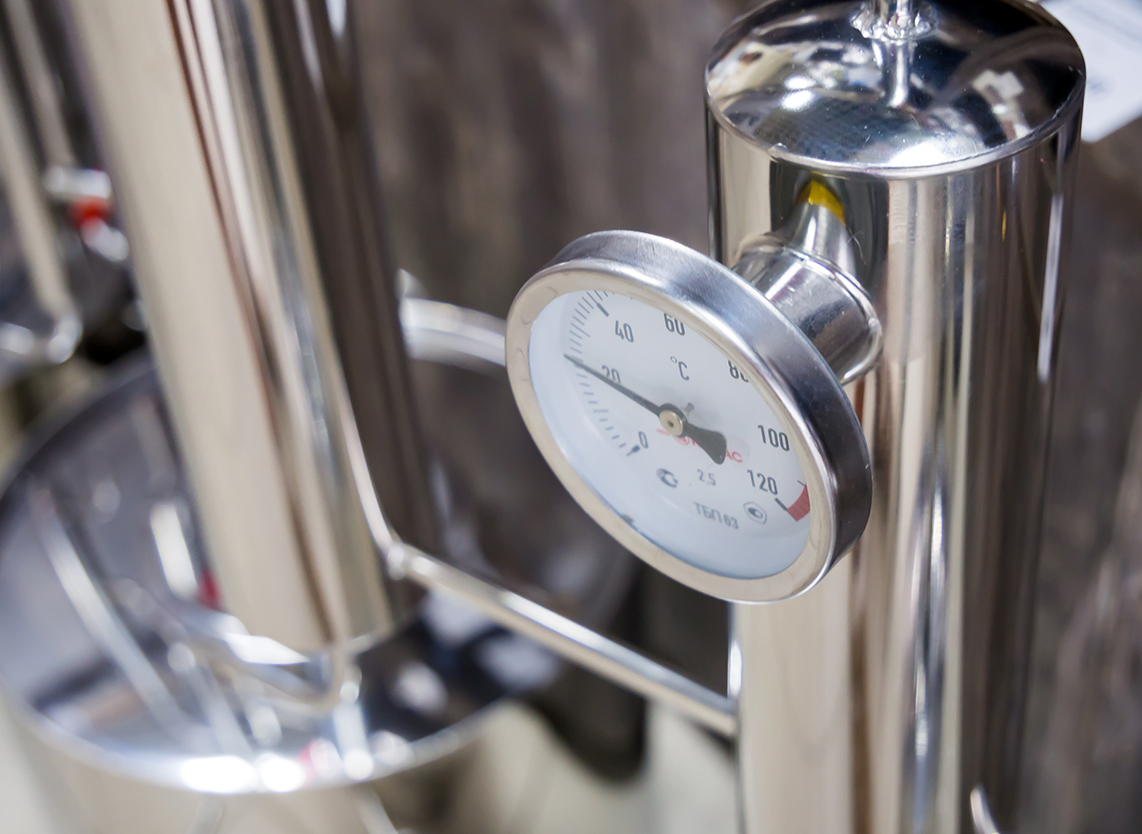
While fermentation is biological, distillation is a physical process. It is based on boiling points:- 78.3 °C for alcohol,
- 100 °C for water.
Column distillation at Nadal Alcools
For maximum purity, we favor neutral alcohols produced by column distillation.- The rising vapors The fermented mash is heated. The alcohol vapors rise through a column fitted with numerous plates.
- Purification At each plate, the vapor is refined and concentrated. This system removes the "heads" and "tails" (the impurities) to keep only the heart.
- Condensation At the top of the column, the vapor is cooled and turns back into a clear liquid with a strength of 96% vol.
4. The result: 96% extra neutral alcohol
At the end of this process, we obtain an alcohol of exceptional purity, known as "neutral" because it has no off-odor or off-taste from the original raw material.Did you know?
96% is the maximum achievable by natural distillation (azeotropic point). To obtain 99.9% alcohol (absolute alcohol), an additional dehydration step is required.
Expertise serving every use
Whether you need:- the finesse of wheat, with our 100% French extra neutral wheat alcohol,
- a link to the terroir, with our neutral wine alcohols and 100% French organic wine alcohols,
- the quality and efficiency of beet,
- or an organic extra neutral alcohol (EU wheat),